

Hemodialysis for Pets

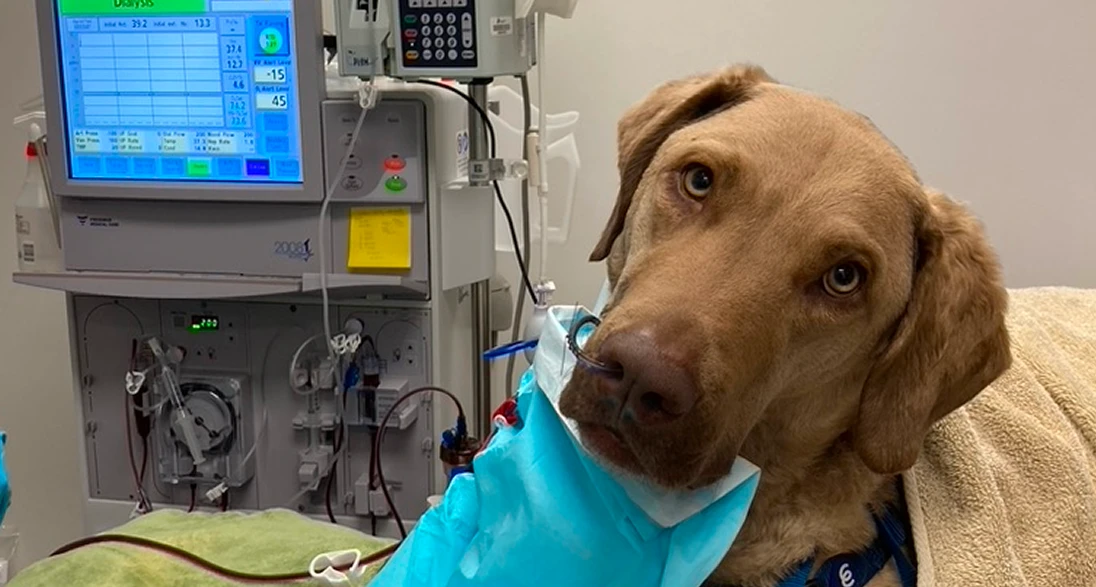
Hemodialysis for Pets — What Pet Owners Need to Know
When a pet’s kidneys suddenly stop working well, waste products, excess fluid, and dangerous electrolyte imbalances can build up quickly. In these situations, veterinarians may recommend hemodialysis — a form of blood purification that acts as a temporary artificial kidney allowing the body to recover.
What Is Hemodialysis?
Hemodialysis removes blood from the body through a special catheter, filters it through a dialyzer (an artificial kidney), and returns the cleaned blood. This process:
- Eliminates toxic waste products (uremic toxins)
- Balances electrolytes such as potassium
- Corrects acid-base disturbances
- Removes excess fluid that the kidneys can no longer eliminate
It is most commonly used for acute kidney injury, but it can also help some patients with acute on chronic kidney disease or certain intoxications.
When Is Hemodialysis Considered?
Veterinarians typically recommend hemodialysis when conventional medical treatment is no longer enough. Common indications include:
- Very low or no urine production (oliguria/anuria) combined with weight gain from fluid retention
- Fluid overload that is causing breathing difficulty or other problems
- Dangerously high potassium levels that risk heart arrhythmias
- Severe acid-base imbalances
- Rising kidney values (azotemia) that are not improving with medical care
Starting treatment earlier often leads to fewer complications from the buildup of toxins.
What Should Pet Owners Expect?
Owners should be prepared for both an emotional and financial commitment. Most patients with acute kidney injury require:
- 5-7 days of hospitalization and treatment with 3-4 dialysis treatments in that first week
- 2-3 weekly dialysis sessions lasting 4-6 hours for 4-6 weeks on average though some may recover sooner while others recover later.
- Close monitoring while the kidneys are given time to recover
After the initial hospital stay, treatments can often continue on an outpatient basis every 48–72 hours, allowing families to remain actively involved in their pet’s recovery.
For pets with end-stage chronic kidney disease, hemodialysis will not be enough and certain pets may be candidates for referral for kidney transplant. This long-term approach requires a significant ongoing commitment and is available only under limited circumstances.
Working With Your Veterinary Team
Early consultation with our Critical Care and Nephrology/Urology specialty service team who is experienced in extracorporeal therapies is important. Protecting the jugular veins is critical, because these vessels are typically used for the dialysis catheter.
If your pet is facing acute kidney injury, severe electrolyte imbalances, or fluid overload that is not responding to standard care, ask your veterinarian whether hemodialysis might be an option. Together you can decide whether this advanced therapy is the right next step for your individual pet.