
Seizures
Seeing your dog have a seizure can be a terrifying experience, but understanding what is happening is the first step toward managing their long-term health. A seizure occurs due to a sudden, temporary surge of abnormal electrical activity in the brain, which can cause involuntary muscle twitching, stiffening, limb paddling, drooling, or loss of consciousness.
A seizure does not always look the way you might expect. Some pets may fall over, become stiff, paddle their legs, drool, or lose awareness. Others may have more subtle signs, such as staring, lip-licking, repetitive movements, or sudden changes in behavior. If it is safe to do so, record a video of the episode. This can be extremely helpful to help your team understand the episodes that your pet is exhibiting at home.
Seizures can result from problems outside the brain, such as low blood sugar or certain toxins, or from conditions affecting the brain, including inflammation, tumors, previous injury, or congenital (developmental) abnormalities. Some pets have recurrent seizures without an identifiable underlying cause. This is generally referred to as idiopathic epilepsy. We may recommend additional testing (such as an MRI) when seizures are frequent or severe, begin at an unusual age, occur with other neurologic abnormalities, or do not respond adequately to treatment.
When managing these conditions, the main realistic expectation to keep in mind is that the goal of treatment is seizure control—significantly reducing the frequency, duration, and severity of episodes—rather than an absolute cure. With proper care and guidance, the vast majority of dogs with seizure disorders live full, happy, and comfortable lives.
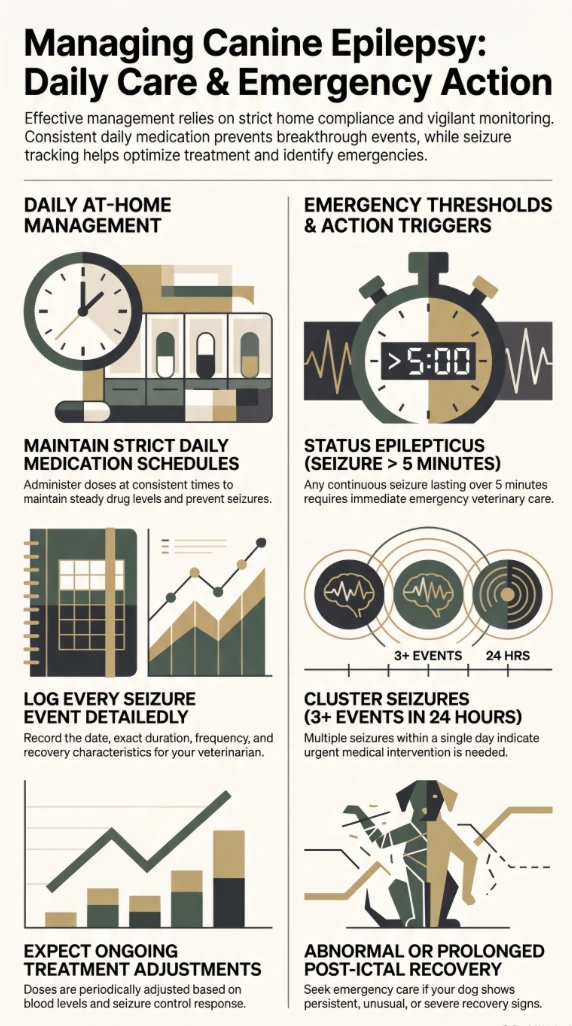
To stabilize electrical activity in the brain, we discuss the use of anti-seizure medications. Commonly utilized medications include Levetiracetam (Keppra), Phenobarbital, Zonisamide, and Potassium Bromide (KBr). These medications work by either boosting calming neurotransmitters or dampening overactive nerve signals. The single most crucial factor in successful medical management is strict schedule consistency: medications must be administered at the exact same times every day without missing doses. Skipping or delaying a dose can cause therapeutic drug levels in the bloodstream to dip, triggering unexpected “breakthrough” seizures.
Successful long-term management relies on continuous monitoring and a collaborative team effort between you, your primary care veterinarian, and the Kin Neurology Team. At home, maintaining a detailed seizure log—recording the date, time, exact duration, triggers, and post-seizure behavior—helps us evaluate how well the treatment plan is working. There are several apps which can be utilized to track these trends, or alternatively, feel free to utilize the attached log which can be printed out for your use.
In order to ensure that these medications are working effectively in combination with monitoring trends, routine veterinary visits for therapeutic drug monitoring and bloodwork are also essential. Checking serum drug levels ensures your dog stays within the optimal therapeutic range, while routine liver and kidney panels verify that their body is processing the medications safely over time.
While isolated, short seizures (under 2 minutes) are generally managed by allowing your pet to recover in a quiet, dark room, certain red flags require immediate emergency veterinary intervention:
- Status Epilepticus: Any active seizure lasting longer than 5 minutes.
- Cluster Seizures: Having two, three, or more seizures within a 24-hour period.
A seizure can be frightening to witness, but you don’t have to navigate it alone. Your veterinarian and veterinary neurology team can help determine why your pet is having seizures and develop an individualized plan to help them continue to enjoy a good quality of life.
References:
Podell M, Volk HA, Berendt M, Löscher W, Muñana K, Patterson EE, Platt SR. 2015 ACVIM Small Animal Consensus Statement on Seizure Management in Dogs. J Vet Intern Med. 2016 Mar-Apr;30(2):477-90. doi: 10.1111/jvim.13841.
Charalambous M, Muñana K, Patterson EE, Platt SR, Volk HA. ACVIM Consensus Statement on the management of status epilepticus and cluster seizures in dogs and cats. J Vet Intern Med. 2024;38(1):19–40. doi:10.1111/jvim.16928.