
Understanding Sepsis in Dogs and Cats
Why Specialty Care Matters
Sepsis is a serious, potentially life-threatening condition that can develop when the body has a dysregulated response to an infection. While infection is usually where the process begins, sepsis is much more than an infection. The body’s normal inflammatory response to that infection, when dysregulated, can cause dysfunction of vital organs, including the lungs, heart, kidneys, liver, blood-clotting system and more.
Sepsis can originate from many types of infections in dogs and cats, including pneumonia, severe wounds, abdominal infections, urinary or reproductive tract infections, just to name a few. Many infections can often be quite challenging as the sources of infection may be difficult or impossible to surgically remove (such as pneumonia), which is one of the core principles of managing septic patients.
When there is a persistent source of infection, the body’s normal inflammatory response, which can help minor infections heal quickly, becomes dysregulated, and a dysregulated inflammatory response can progress rapidly and affect a variety of organs, resulting in organ injury.
How Is Sepsis Diagnosed?
Diagnosing sepsis requires recognizing both the likely source of infection and evidence that the infection is negatively affecting organ function. There is no single test to diagnose sepsis, the attending veterinarian must look at the patient has a whole, rather than relying on any single test or checklist of symptoms.
Patients who are hospitalized for sepsis, often require a series of diagnostics and intensive treatments to both identify the sources of the infection and monitor for and manage the serious systemic consequences which can occur. This may include the following:
- Detailed, thorough and repeated physical examination and frequent reassessment to identify changes in perfusion, mentation, breathing, temperature, and other vital functions. Sometimes a thorough physical exam can help identify an unknown source of infection
- Blood pressure and cardiovascular monitoring to evaluate circulation and tissue perfusion
- Bloodwork to evaluate red and white blood cells, electrolytes, glucose, kidney and liver function, and other indicators of organ dysfunction
- Lactate and other markers of tissue perfusion, when appropriate, to help assess the severity of illness and response to treatment
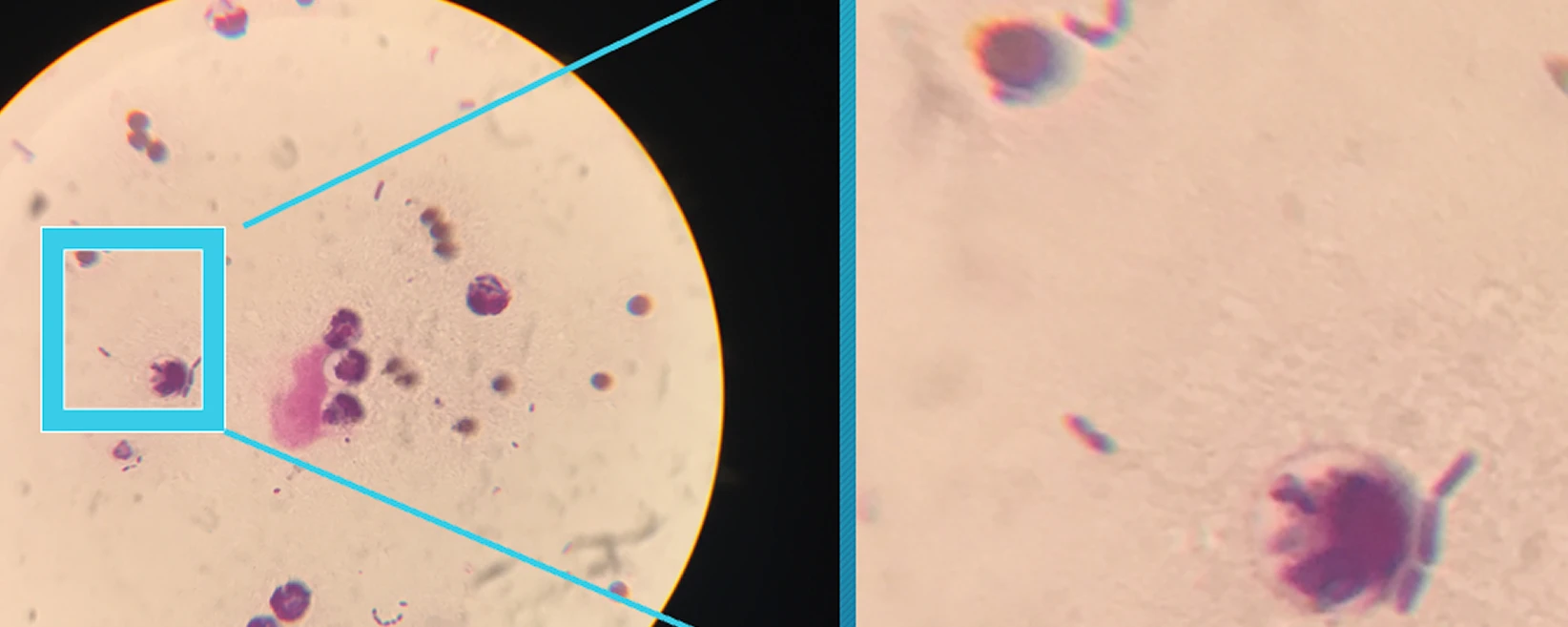
- Blood, urine, or other tissue cultures to identify an infectious organism and help guide antimicrobial treatment. Many times a culture is obtained to help identify the bacterial agent which was the original source
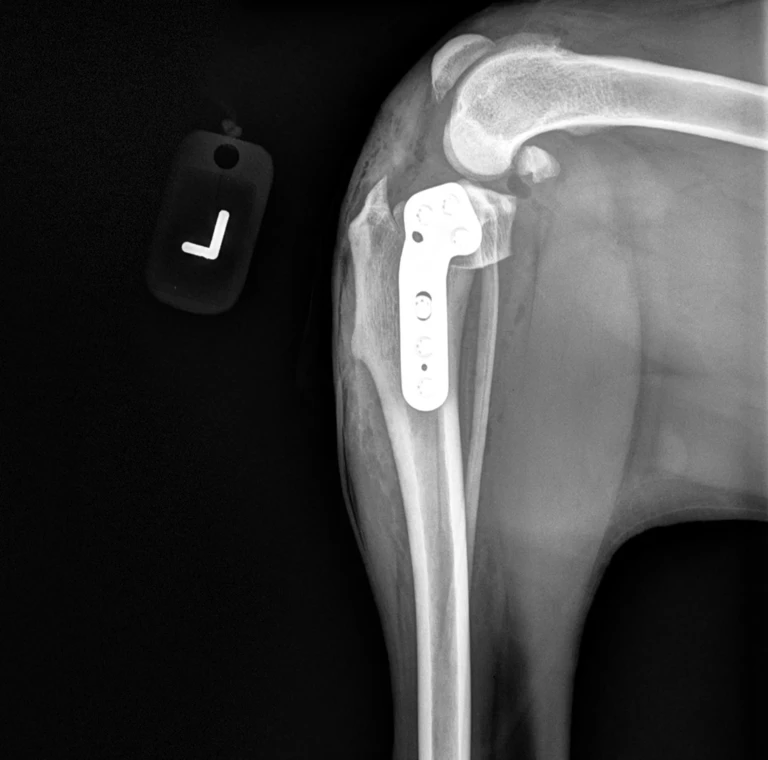
- Imaging such as radiographs, ultrasound, CT, to locate and characterize the source of infection
- Evaluation of blood-clotting function when abnormalities are suspected; both bleeding and blood clots can be consequences of sepsis
- Continuous or frequent monitoring of vital signs, including breathing, heart rhythm, oxygenation, urine production, neurologic status, and other important physiologic parameters
Sepsis is a dynamic process. A single examination or laboratory panel may not reveal the full extent of a patient’s illness. Serial reassessment is often just as important as the initial evaluation, as organ dysfunction can develop or worsen over time.
At KIN, we have a team of leading experts, specialists in the field of emergency and critical care (DACVECCs) all of whom have specialty training in diagnosing and treating complex conditions such as sepsis; these experts are leaders in their fields and are available 24/7 for the team and patients at KIN.
How Is Sepsis Treated?
Treatment of sepsis involves two major interconnected goals: controlling the infection, supporting the organ function as a whole to prevent or treat organ injury as it develops.
Controlling the infection
When a serious bacterial infection is suspected, appropriate antibiotics are generally started promptly; starting antibiotics early has been associated with an reduction in mortality (in human sepsis).
Ideally, samples for culture should be collected to identify the specific infectious organism and determine which antibiotics are most appropriate. Although this is always recommended, it may not always possible, either due to the location of the infection or the timing of collection. Antibiotic type and duration are determined based on these cultures and patient response.
Equally important is source control—addressing both the underlying cause of infection and surgically removing it, whenever possible. This may involve draining an abscess, removing infected or dead tissue, treating an infected wound, removing an infected foreign material, or performing surgery to address an internal infection.
Support of circulation and organ function
Sepsis can interfere with blood pressure and blood flow to vital organs. Intravenous fluids, medications to support blood pressure, and other cardiovascular therapies may be necessary.
Treatment for patients with sepsis is individualized, according to the source of and severity of infection, the organs affected, and how the patient responds to therapy. Depending on the circumstances, treatment may include:
- Fluid therapy. This must be carefully individualized. Both inadequate fluid administration and excessive fluid administration can be harmful, particularly in patients with heart, kidney, or lung dysfunction.
- Oxygen and respiratory support. Some patients either have pneumonia or develop respiratory compromise and require supplemental oxygen to maintain adequate oxygen delivery to their tissues. More severely affected patients may require advanced respiratory support, including mechanical ventilation.
- Support of affected organs. Sepsis can cause dysfunction involving multiple organ systems, including the kidneys, liver, cardiovascular, neurologic, blood, and blood-clotting abnormalities may all develop. This is where ongoing, targeted and patient-specific therapy is required. Treatment is continually adjusted to support the organs that are affected and to prevent additional injury whenever possible.
Critically ill patients require close monitoring because their condition can change rapidly. Depending on the severity of illness, monitoring may include repeated blood tests, blood-pressure measurements, ECG monitoring, urine-output measurement, oxygen monitoring, and frequent physical examinations.
What Is Septic Shock?
Septic shock is a particularly severe form of sepsis. It occurs when sepsis causes significant cardiovascular instability and impaired tissue perfusion despite appropriate fluid resuscitation. These patients have a very high risk of mortality. Patients with septic shock may have persistent low blood pressure, elevated lactate or other evidence of inadequate tissue perfusion, and progressive organ dysfunction. Recognizing septic shock early is vital, as these patients require rapid intervention and intensive monitoring.
Why Does Specialty Care Matter?
Sepsis is one of the situations in which emergency and critical care expertise can be especially valuable. A board-certified veterinary specialist in emergency and critical care (DACVECC) is specifically trained to manage rapidly changing, life-threatening illnesses and to coordinate treatment when multiple organ systems are affected simultaneously.
24/7 specialty hospitals such as KIN may also provide around-the-clock nursing care, advanced cardiovascular and respiratory monitoring, blood products, emergency surgery, advanced imaging, specialized laboratory testing, mechanical ventilation, and other forms of intensive support when they are needed.
Sepsis is a serious disease, but early recognition and timely, individualized treatment provide the best opportunity to control the infection and limit secondary organ injury.
If you or your veterinarian are concerned that a dog or cat may have sepsis—or another life-threatening illness—prompt evaluation by an emergency doctor and/or critical care specialist should be considered rather than waiting for the condition to worsen. The doctors at KIN keep in close contact with your primary care veterinarian to ensure your pet is receiving the best care possible, gathering information from your primary care vet regarding medical history and treatments or diagnostics performed prior to arrival as well as regular updates to your pet’s care.
This information is intended for general educational purposes and does not replace a physical examination, diagnostic evaluation, or individualized treatment plan from a veterinarian.