
Diabetes Mellitus

Diabetes mellitus is a common endocrine disease in which the pancreas does not produce enough insulin. Insulin is a hormone needed to allow the cells of the body to take up glucose (sugar) from the blood. When the body does not have enough insulin, excess glucose builds up in the blood (high blood sugar, or hyperglycemia). Despite the excess glucose in the blood, the body feels as if it is starving. This leads to two of the common signs of diabetes: weight loss despite increased appetite. In addition, once the glucose in the blood reaches a certain level, excess glucose “spills over” into the urine. When urine has too much glucose, water is drawn into the urine. This leads to two other common signs of diabetes: increased urination and increased drinking.
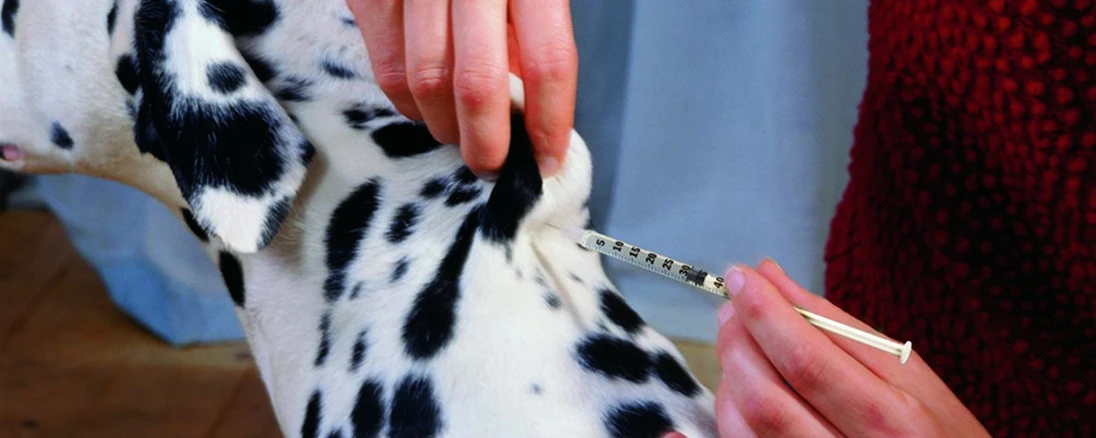
Most dogs and cats require an injection of insulin under the skin every 12 hours for the rest of their life. Some of the more novel insulin types can often be administered once daily. The insulin type chosen for your pet (dog or cat) by your Internal Medicine Specialist will be tailored based on several factors, including ease of administration of medications, owner lifestyle, and concurrent diseases, among others. Our goal is to achieve the best management of each patient that fits into the lifestyle of both the client and their beloved pet.
Nutritional management of diabetes is also a very important aspect of the treatment plan that will be discussed with your Internal Medicine Specialist. Nutrition in diabetes mellitus is complex, and we tailor these recommendations on the individual dog or cat depending on several factors, including current body condition, comorbidities, and underlying cause of diabetes.
Very tight regulation is not usually necessary in dogs and cats, as they do not live with diabetes for 20-30 years or longer, like humans. Many of the vascular and neurologic problems seen in people are uncommon in animals with this condition. Tight regulation of glucose is also more dangerous in pets, as it increases the likelihood of hypoglycemic (low blood sugar) events due to insulin overdose, which is the most life threatening aspect of diabetic management. Our goal is to maintain body weight, appetite, and water intake and urination at a clinically tolerable level.

It is important to know that dogs and cats often do very well with managed diabetes and can often live normal, happy lives. However, this condition does require dedicated owner compliance and regular monitoring. Options for monitoring that will be discussed at the time of your Internal Medicine appointment often include: at-home or in-hospital glucose curves, Freestyle libre (continuous glucose monitor), and fructosamine measurement.
Our Internal Medicine team looks forward to working with you to achieve a comprehensive individualized treatment plan for your beloved pet with diabetes!