
My Pet Ate Something Toxic

My Pet Ate Something Toxic — What Happens Next?
Finding out your pet got into something they shouldn’t have is one of the scariest moments as a pet owner. The good news: veterinary teams use a structured approach to these cases, which means there’s a clear plan in place the moment you call. Here’s what that process looks like and how you can help it go smoothly.
Step 1: Gather the Details (Ask About Exposure)
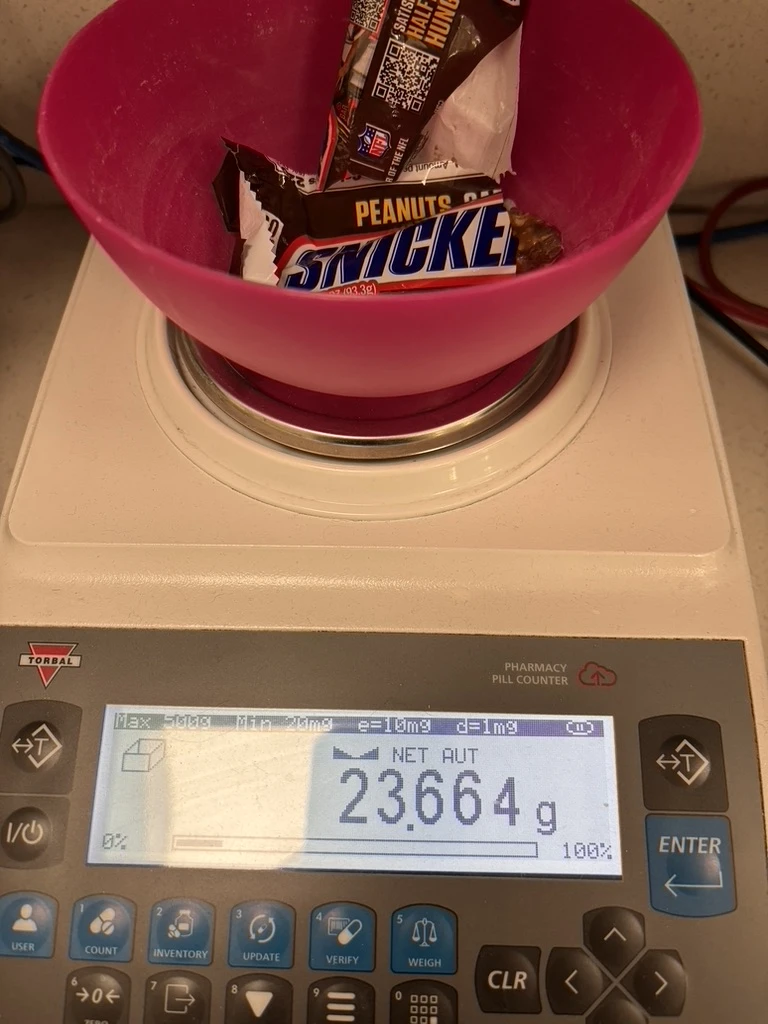
The single most useful thing you can do is collect information before you call. Your vet or an animal poison control line will want to know:
- What substance was involved (bring the packaging, bottle, or plant if possible)
- How much was potentially ingested
- When it happened, as closely as you can estimate
- Whether any other pets in the home may have been exposed
This information directly shapes what treatment is possible and how urgent the situation is, so even a rough estimate is better than none.
Step 2: The Clinical Exam
Once at the clinic, your vet will do a physical exam and often run bloodwork to check organ function, hydration, and vital signs. This gives a baseline and helps confirm what to expect as the case progresses.
Step 3: Time Matters (Urgency and Immediate Management)
Many toxins have a window — often just a few hours — where treatments like decontamination are most effective. This is why calling your vet, or Kin if it’s after hours, right away is more important than waiting to see if symptoms develop. Please don’t try to induce vomiting or give home remedies without guidance first, since some substances cause more harm coming back up, and timing matters for whether it will even help.
Step 4: Treatment Options
Depending on the toxin and how much time has passed, treatment may include decontamination (such as inducing vomiting under medical supervision or activated charcoal), IV fluids, medications to protect organs, and close monitoring. For serious or high-dose ingestions, advanced options like plasma exchange, hemoperfusion, or dialysis are available at Kin — your vet or the emergency doctors at Kin will let you know if that level of care is warranted.
Step 5: Follow-Up Matters
Some effects of toxin exposure don’t show up right away. Your vet will often recommend rechecking bloodwork or vital signs in the days after treatment, even if your pet seems to be recovering well, to catch any delayed organ stress early.
Quick Summary for Pet Owners
Some effects of toxin exposure don’t show up right away. Your vet will often recommend rechecking bloodwork or vital signs in the days after treatment, even if your pet seems to be recovering well, to catch any delayed organ stress early.
- Call your vet, Kin, or an animal poison control line immediately — don’t wait for symptoms.
- Gather the substance, amount, and timing before you call; bring packaging if you can.
- Don’t induce vomiting or give home treatments without professional guidance first.
- Your vet will run an exam and bloodwork to establish a baseline.
- Treatment may range from supportive care to advanced therapies for severe cases.
- Follow-up rechecks matter, even if your pet looks fine — some effects are delayed.
- When in doubt, call sooner rather than later — early action gives the best outcome.