

SPECIALTY CARE
Interventional Radiology
Some conditions can be treated through small, image-guided access points instead of traditional surgery. KIN uses interventional techniques to diagnose and treat select conditions with precision.
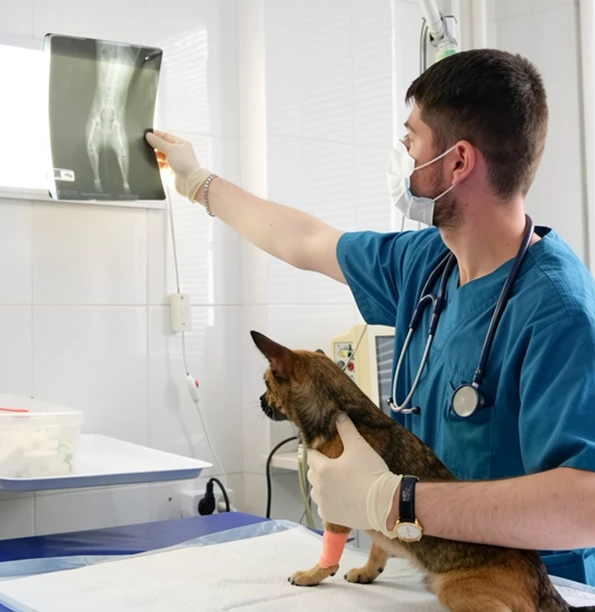
Interventional Radiology
Minimally invasive.
Highly targeted.
Interventional radiology combines advanced imaging with specialized instruments to reach areas inside the body through small incisions or natural openings.
When appropriate, these procedures may reduce tissue disruption, support faster recovery, and create options for complex conditions.
SERVICES
Image-guided treatment
with precision.
The recommended approach depends on the condition, anatomy, imaging findings, and individual patient’s needs.
Vascular & Urologic Stenting
Placement of stents to help restore flow through narrowed or obstructed structures.
Embolization Procedures
Targeted blocking of abnormal blood vessels and tumors for select conditions.
Interventional Endourology For Urinary Tract Disease
Precise collection of tissue or fluid using advanced imaging.
Minimally Invasive Tumor Therapies
Image-guided treatment options for select masses or tumors.
Drainage & Access Procedures
Placement of catheters or access devices to support treatment and recovery.
When Interventional Radiology May Be an Option
Know when a closer look may help.
A KIN specialist may recommend a procedure using interventional radiology when a condition can be reached and treated safely with image guidance.
Reasons for an interventional radiology consultation:
- A narrowed or obstructed ureter or urethra
- A condition requiring precise biopsy or sampling
- A tumor suitable for image-guided treatment
- A collapsing trachea requiring a stent
- Portosystemic shunt – intravascular/extravascular
- Ectopic ureter ablation
- Ureteral/Urethral stents for benign or cancerous obstructions
- Prostatic artery embolization
- Tracheal collapse
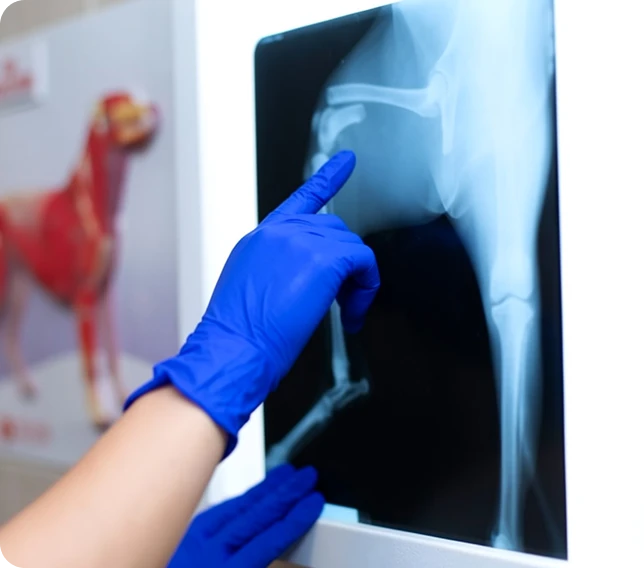
Your patient’s care
is a team effort.
Reach out to discuss a case, refer a patient, or connect with our team through Kinnect
Kinnect
- Collaborative case management
- Direct specialist communication
- Streamlined referral process
- Shared commitment to patient outcomes