
Subcutaneous Ureteral Bypass in Cats

The ureters are small tubes that carry urine from the kidneys to the bladder. When a ureter becomes blocked, urine cannot drain normally, causing pressure to build within the kidney and potentially damaging kidney function. In cats, these obstructions commonly result from urinary stones, but blood clots, inflammatory debris, scar tissue, or abnormalities present at birth can also cause blockages. A subcutaneous ureteral bypass (SUB) provides an alternative route for urine to reach the bladder, bypassing the obstruction.
Cats with ureteral obstruction may develop a decreased appetite, vomiting, lethargy, or abdominal discomfort. These signs can be subtle, particularly when only one kidney is affected. A cat may still pass urine despite having an obstructed ureter, so continued urination does not rule out a serious problem. Bloodwork, urine testing, and imaging, particularly abdominal ultrasound, help identify the obstruction, and assess its effect on kidney function. Prompt evaluation and treatment are important to limit further damage.
A SUB device consists of a catheter placed into the kidney’s urine-collecting space and another catheter placed into the bladder. These connect to a small access port positioned beneath the skin. The entire system remains inside the body, allowing urine to travel from the kidney to the bladder without passing through the blocked ureter. The access port allows the veterinary team to collect urine samples, check the device, and perform maintenance flushes.
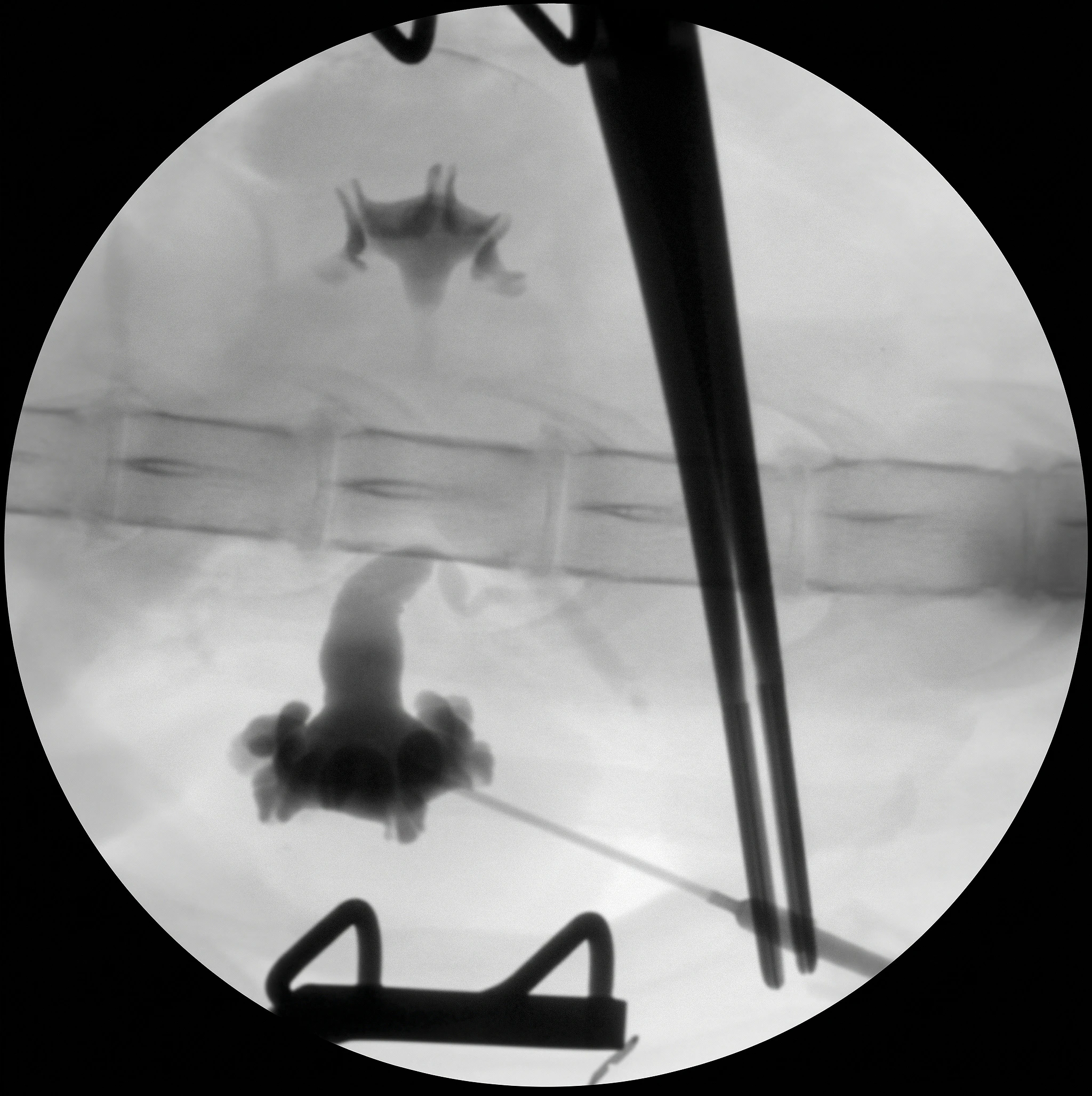
Placement requires general anesthesia and surgery, with real-time x-ray imaging used to guide and confirm positioning. Depending on the location of the obstruction, a patient may need treatment for one or both kidneys. After surgery, patients generally remain hospitalized for two to four days, although some require longer care. During this time, the team monitors kidney values, urine production, hydration, and comfort. A temporary feeding tube is typically placed to support nutrition and medication administration during recovery, often for one to four weeks. Diet and medications are tailored to the individual patient’s kidney function, appetite, and stone history.
Long-term follow-up is an essential part of caring for a cat with a SUB device. The device is checked and flushed before discharge, with a recheck typically scheduled one month after surgery. Maintenance visits are generally performed every three months for the first two years, with some stable patients transitioning to six-month intervals afterward. The schedule may be adjusted based on the patient’s needs. These visits include assessment of device function, bloodwork, and urine testing, with urine cultures when indicated. Flushing is performed by the veterinary team through the port beneath the skin.
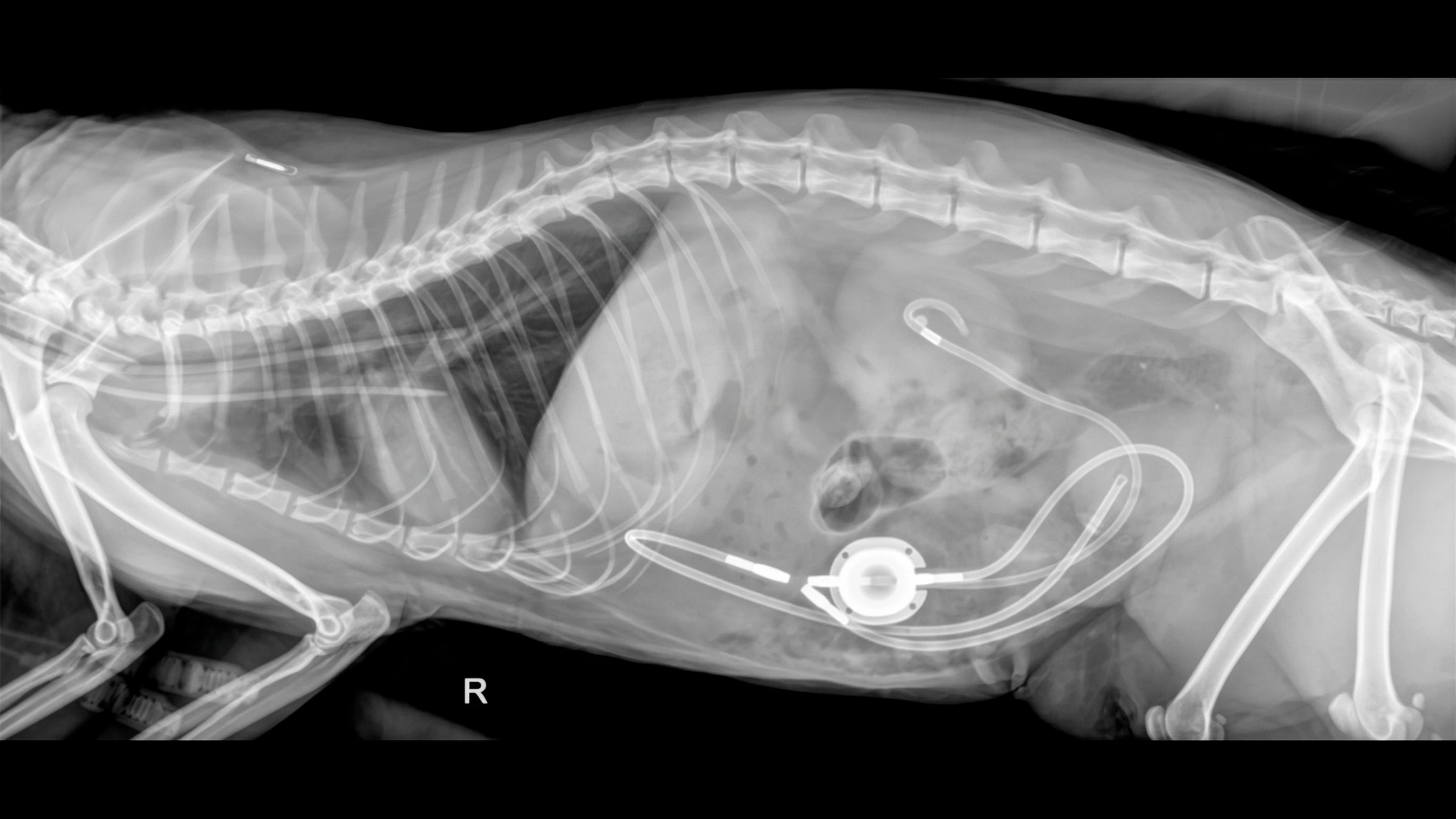
Potential complications include infection, urine leakage, kinking of the tubing, and blockage from mineral deposits or other material. Some complications can be managed medically or through the access port, while others may require another procedure. A SUB restores urine drainage but cannot reverse all existing kidney damage, and some cats continue to need treatment for chronic kidney disease.
Many cats experience improved kidney function and quality of life after relief of the obstruction. The outlook depends on the degree of kidney damage, the patient’s overall health and any complications that develop. At Kin, we work with families to assess whether a SUB is appropriate and develop a plan for recovery and ongoing care. Regular monitoring and lifelong device maintenance are central to a successful outcome.