
Minimally Invasive Surgery at Kin

Many surgical procedures in dogs and cats can be performed through small incisions using a camera and specialized instruments. This approach, called minimally invasive surgery (MIS), allows the surgeon to examine and treat structures within the body while limiting disruption to surrounding tissues. For appropriate patients, these techniques can reduce postoperative discomfort, shorten hospitalization, and support a faster recovery.
The type of minimally invasive surgery depends on the area being treated. Laparoscopy allows the surgeon to work within the abdomen, while thoracoscopy provides access to the chest. Arthroscopy is used to evaluate and treat conditions within joints. Related techniques, including endoscopy and interventional radiology, use small cameras or real-time imaging to guide procedures within the urinary tract, blood vessels and other structures.
One of the other main advantages of minimally invasive surgery is the magnified, well-lit view provided by the camera. This helps the surgeon identify delicate structures and perform precise movements through small incisions. The benefits extend beyond the size of the skin incision: reducing the amount of tissue handled or disrupted during surgery can improve comfort during recovery. However, these procedures still require anesthesia, careful monitoring, and an individualized plan for pain management.
Procedures Offered at Kin
At Kin, we offer a range of minimally invasive procedures. The best approach depends on your pet’s condition, anatomy, and overall health.
Laparoscopy — Minimally Invasive Abdominal Surgery
- Spay: Removal of the ovaries, or the ovaries and uterus.
- Total laparoscopic gastropexy: Attachment of the stomach to the abdominal wall to help prevent the twisting associated with gastric dilatation and volvulus (GDV).
- Liver biopsies: Collection of tissue samples to help diagnose liver disease.
- Gallbladder removal: Treatment of selected patients with gallbladder disease.
- Adrenal tumor removal: Removal of selected tumors affecting the adrenal glands.
- Hernia repair: Correction of selected defects in the tissues that normally contain the abdominal organs.
- Laparoscopic-assisted urinary bladder surgery: Camera-assisted treatment of bladder conditions.
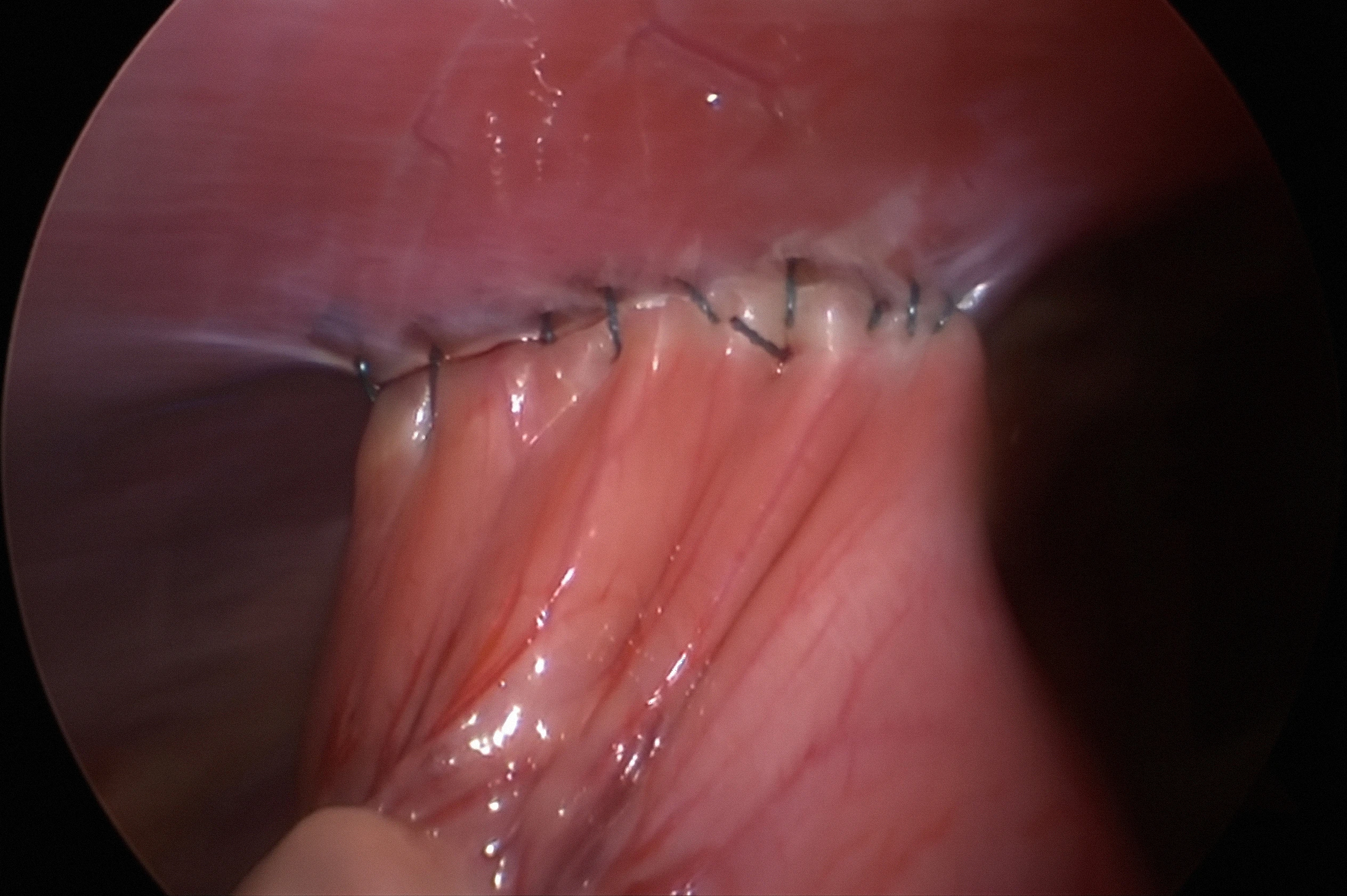
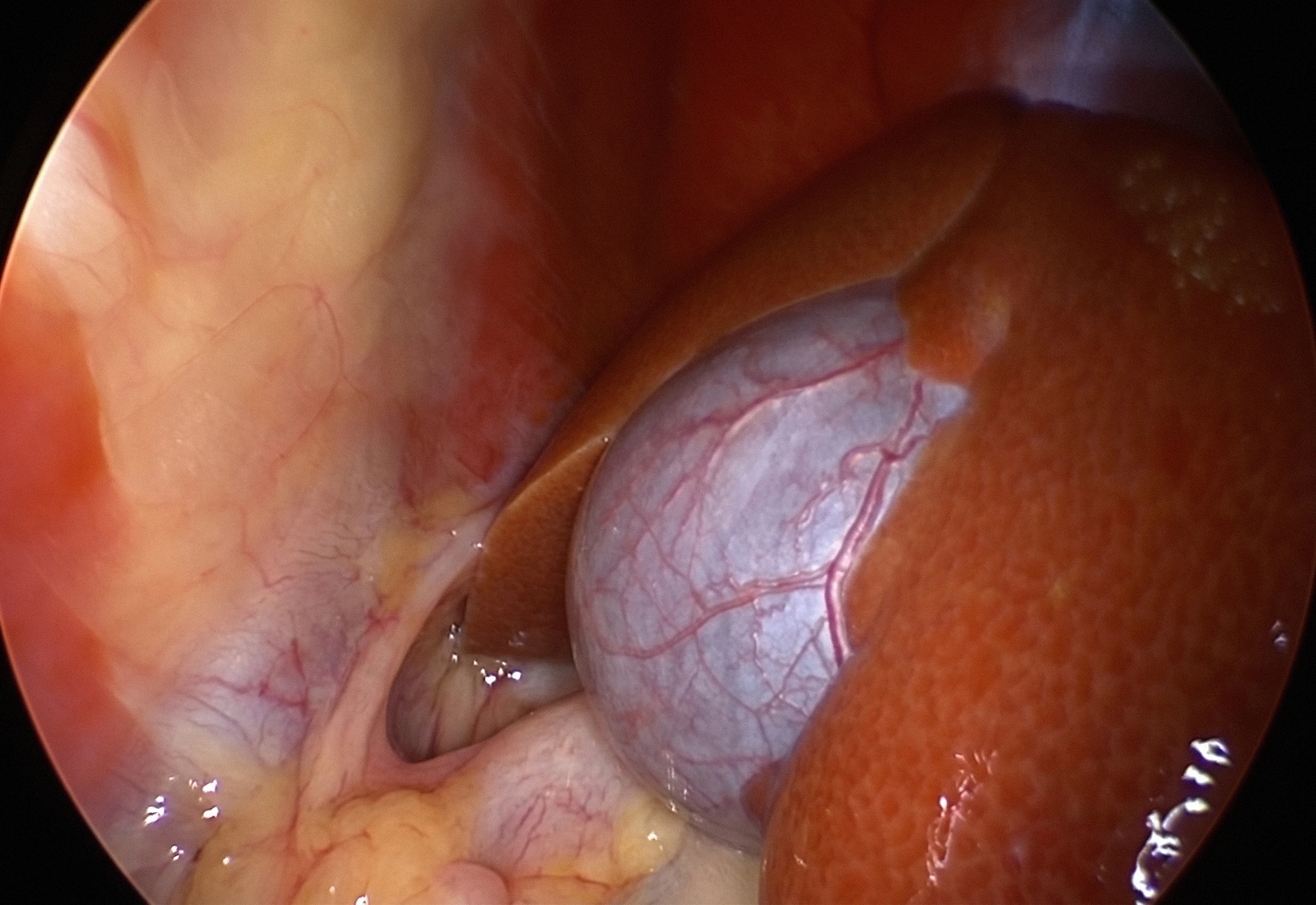
Thoracoscopy — Minimally Invasive Chest Surgery
- Pericardial window or pericardium removal: Removal of a portion of the sac surrounding the heart to treat certain conditions involving fluid accumulation.
- Cardiac tumor removal: Removal of bleeding tumors on the right auricle in select cases.
- Vascular ring anomaly repair: Correction of abnormal blood vessel arrangements that can compress the esophagus.
- Thoracic duct ligation: Treatment of chylothorax, a condition in which lymphatic fluid accumulates around the lungs.
- Lung tumor removal: Removal of affected lung tissue in selected patients.
- Thymic tumor removal: Removal of selected tumors arising from the thymus within the chest.
- Lymph node removal: Collection or removal of lymph nodes within the chest to help diagnose or assess the extent of disease.
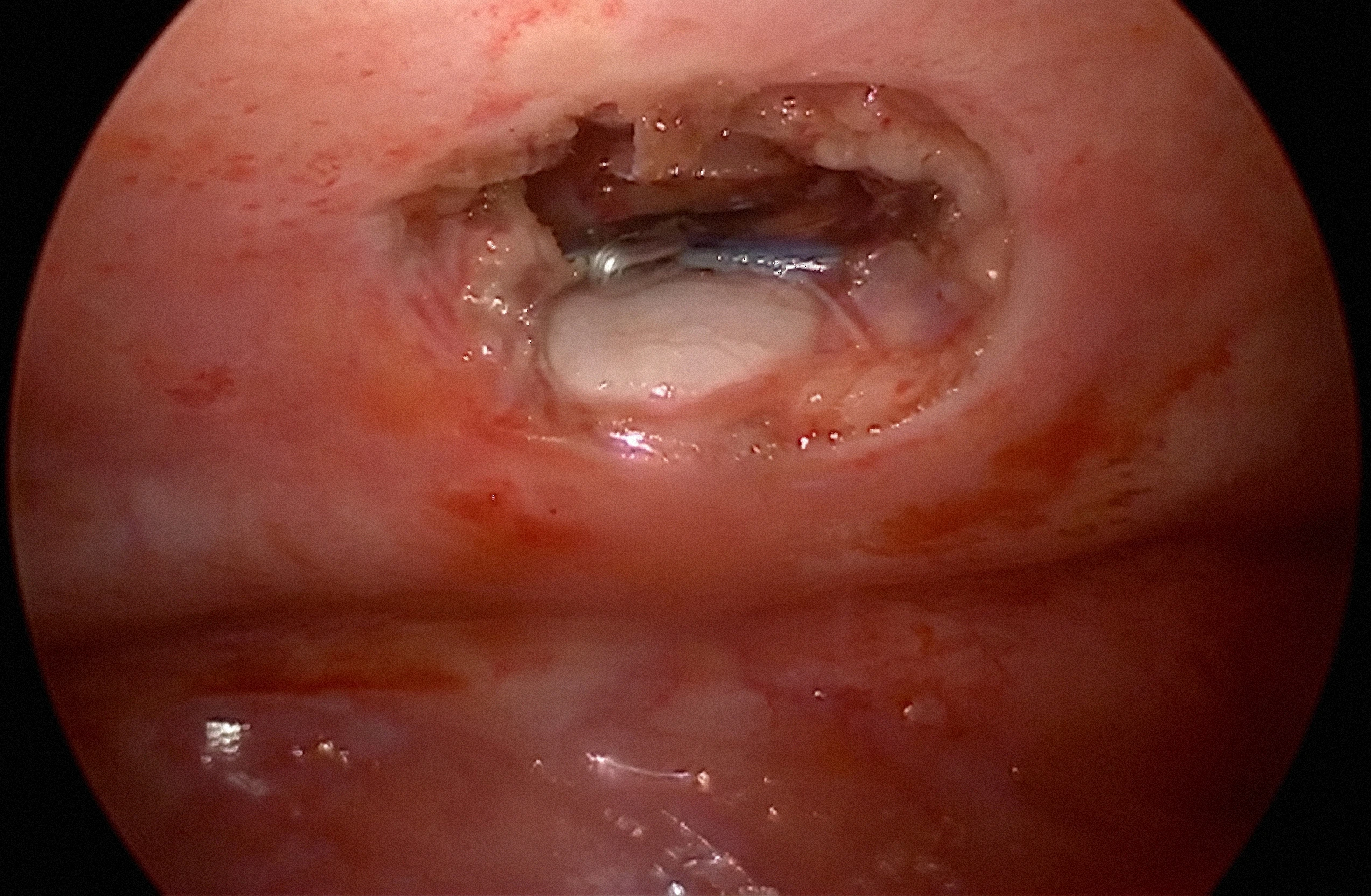
Arthroscopy
- Stifle joint: Evaluation of structures within the joint, including the cruciate ligaments, menisci, and cartilage. Meniscal injuries can also be treated arthroscopically.
- Elbow joint: Evaluation of structures within the joint and treatment of conditions like fragmented medial coronoid process (FMCP), osteochondritis dissecans (OCD), and fractures involving the joint.
- Shoulder joint: Evaluation of structures within the joint and treatment of conditions like OCD, medial shoulder instability, and biceps tendinitis.
- Hip joint: Evaluation of structures within the joint and treatment of conditions like OCD, hip luxation, and fractures involving the joint.
- Carpi and tarsi: Arthroscopy can also be performed in the carpi and tarsi for select conditions.
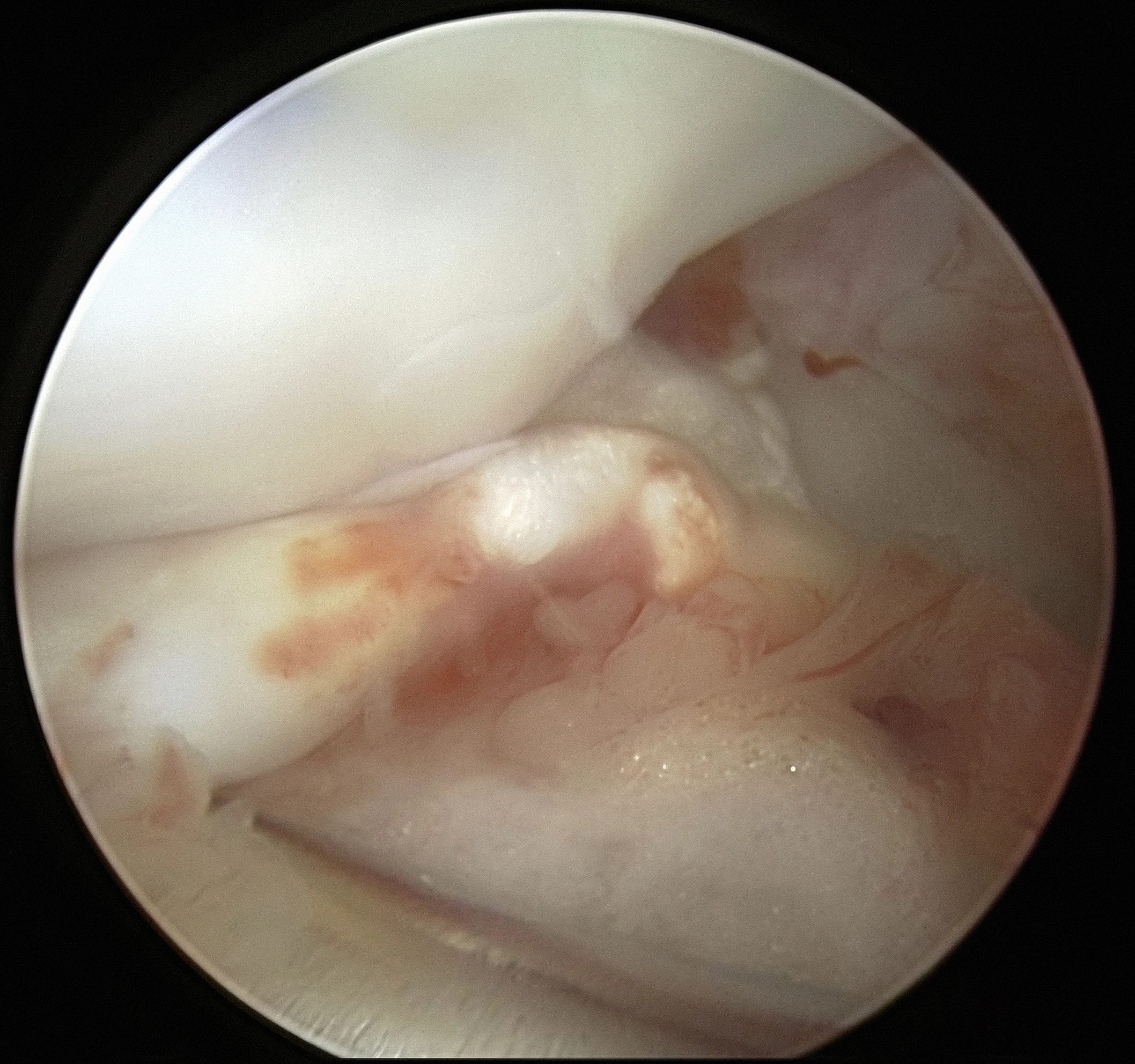
Urinary Procedures
- Cystoscopy: Camera-guided examination of the urethra and bladder in male and female patients.
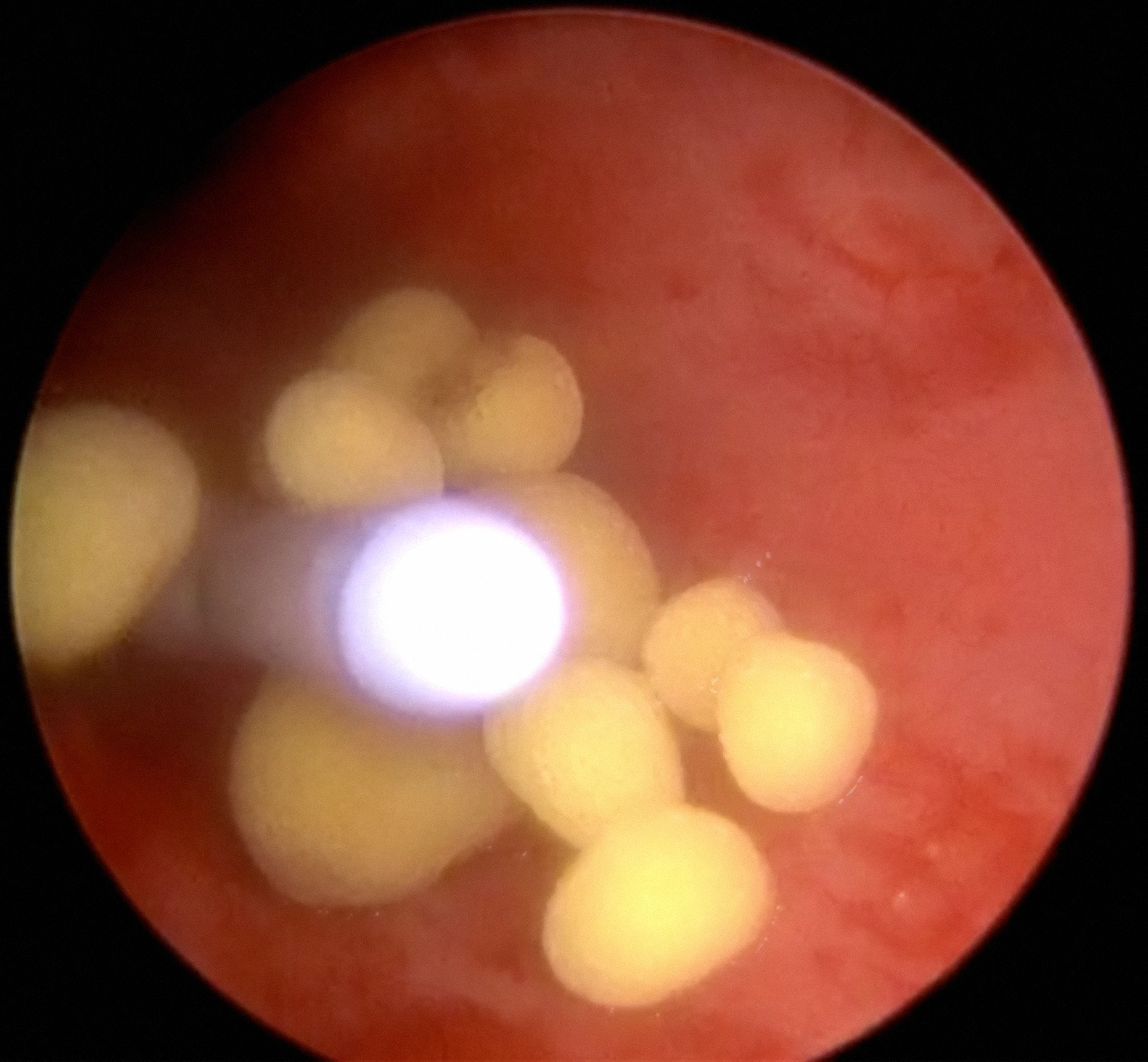
- Minimally invasive removal of bladder stones: Also called percutaneous cystolithotomy (PCCL); camera-guided removal of bladder stones through a small incision.
- Cystoscopic ablation of ectopic ureters: Cystoscopic treatment of selected cases in which the tubes carrying urine from the kidneys enter the urinary tract in an abnormal location.
- Collagen injections for urinary incontinence: A treatment option for selected patients with persistent urine leakage.
- Polypectomy: Removal of selected urinary bladder polyps.
- Sclerotherapy for idiopathic renal hematuria: Treatment of selected cases of bleeding from the kidney when no underlying cause is identified.
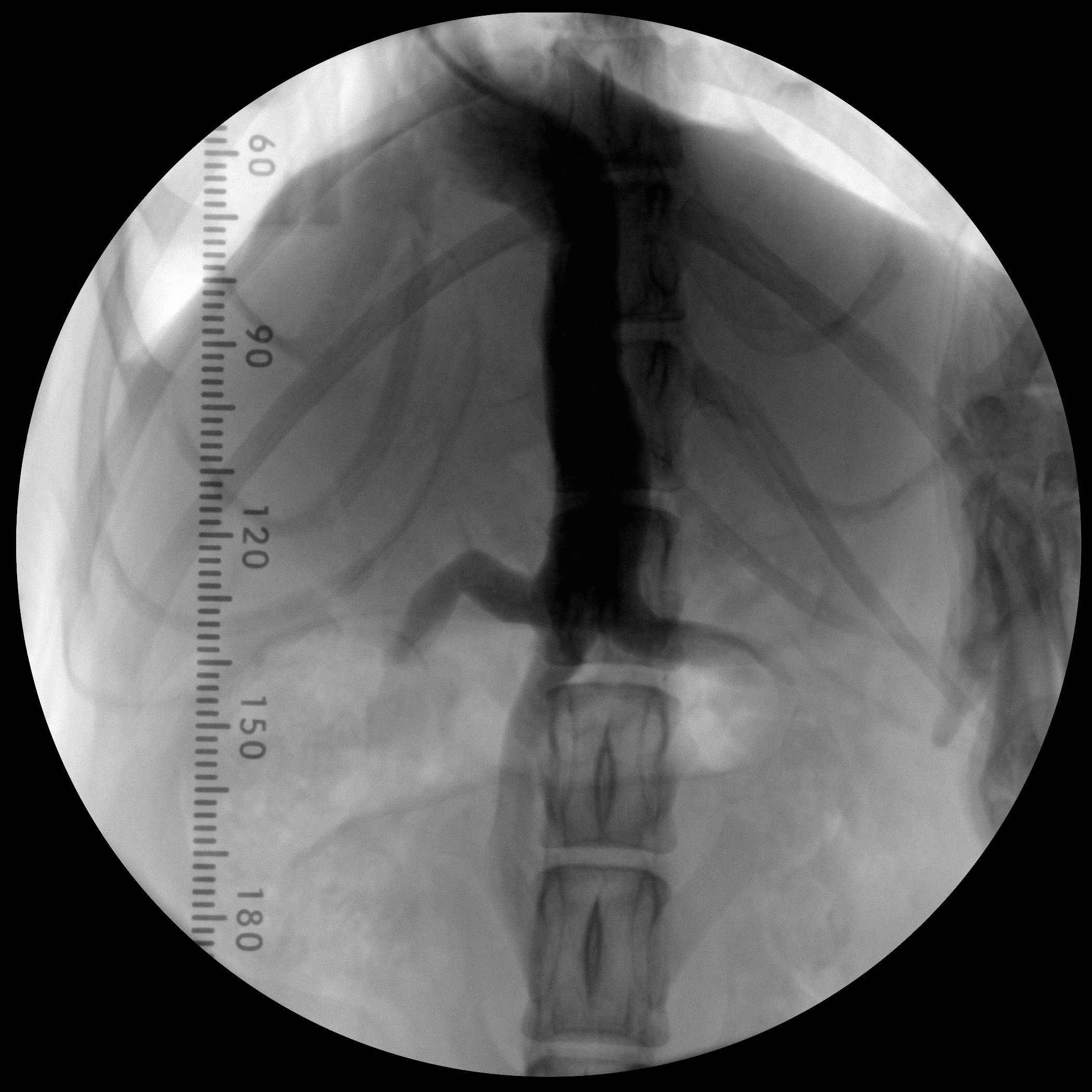
Interventional Radiology Procedures
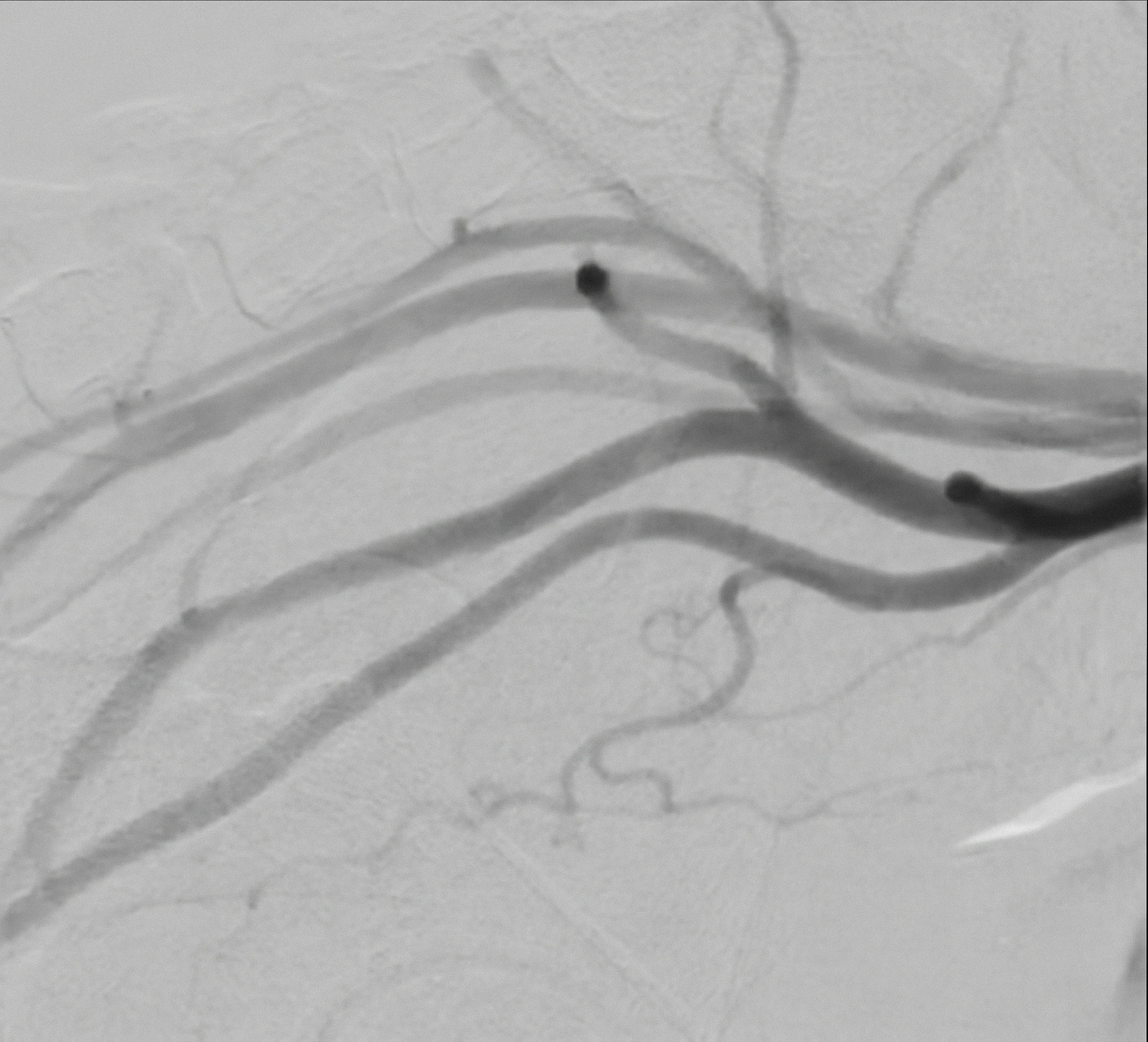
These procedures use real-time imaging to guide treatment through small access points or within existing body passages.
- Urethral stenting: Placement of a stent to help relieve obstruction of the passage carrying urine out of the bladder.
- Ureteral stenting: Placement of a stent to help urine pass from the kidney to the bladder through an obstructed ureter.
- Subcutaneous ureteral bypass (SUB): Placement of a device that provides an alternative route for urine to travel from the kidney to the bladder.
- Balloon dilation and stenting of esophageal and nasopharyngeal strictures: Treatment of selected narrowed areas within the esophagus or the passage behind the nose.
- Fluoroscopic swallow studies: Moving X-ray examinations to evaluate swallowing and esophageal function.
- Coil embolization: Treatment of intrahepatic liver shunts and selected other congenital blood vessel abnormalities.
- Vascular stenting: Placement of stents to help restore blood flow through narrowed or obstructed blood vessels.
- Bland embolization and chemoembolization: Targeted procedures that block blood supply to selected tumors, with chemotherapy added when appropriate. Embolization may also be used to control persistent nosebleeds.
- Intra-arterial chemotherapy: Delivery of chemotherapy directly into an artery supplying a tumor.
Additional Specialized Procedures
- Vascular access port placement: Placement of an implanted port for repeated access to the bloodstream.
- PleuralPort placement: Placement of an implanted port to allow repeated drainage of fluid from the chest.
- Stem cell injections for chronic kidney disease: Considered on an individual basis following discussion of the available evidence, potential benefits and limitations.
Choosing the Right Approach
Minimally invasive surgery is not appropriate for every patient. Large masses, severe infection, or certain anatomical features may make an open procedure the better choice. Some minimally invasive procedures also take longer than conventional surgery. If visibility, bleeding or unexpected findings become a concern, the surgeon may need to convert to an open approach to complete the procedure safely.
Recovery depends on the operation performed and the underlying condition. Even when incisions are small, patients still need activity restrictions, incision care, and follow-up examinations. At Kin, we assess each patient individually and discuss all available options with their family. Our goal is to choose the approach that provides effective treatment while supporting a comfortable recovery.